
Best Casino in Western Australia: Hotels and Gaming Guide
- Casino Hotels in Western Australia
- Accommodation Options Near Casinos
- Parking and Accessibility at Western Australia Casinos
- Contact Points: Bars, Billiards, and Event Spaces
- Dining Buffets, Breakfasts, and Employment Opportunities
- Poker Rooms and Gaming Facilities
- Casino Operations: Opening Hours, Licensing and Regulations
- Restaurant Choices Within Casino Complexes
- Wellness and Spa Services at Casino Resorts
- Food Courts and Swimming Pools: Amenities Overview
Casino Hotels in Western Australia
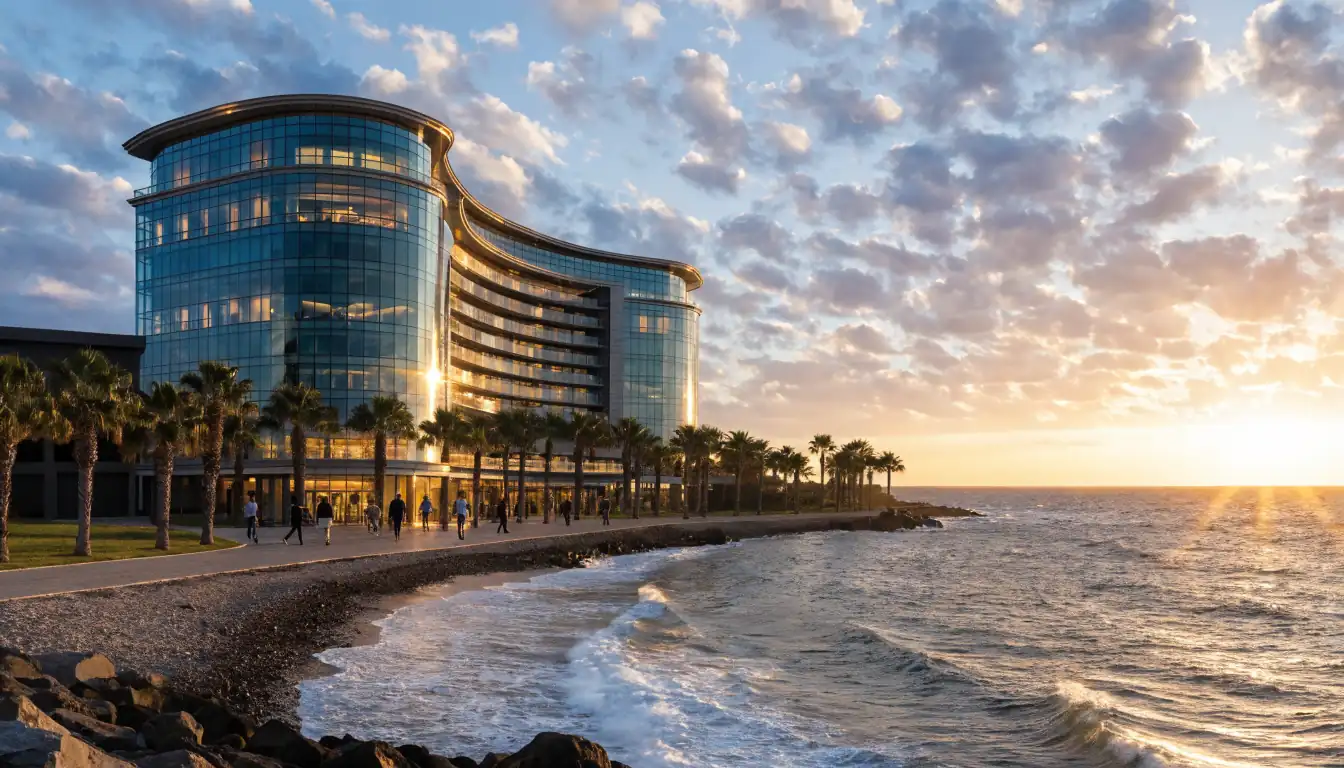
A casino hotel is a specific product, not a marketing label. It means the gaming floor and the guest rooms sit under one ownership, one management structure, and one set of operating rules, so the stay and the gambling are settled on the same account. Western Australia has very few of them, which is worth stating plainly: this is a state with a small number of licensed casino premises, and the integrated resort model — hotel tower, gaming floor, restaurants, and entertainment spaces in one complex — describes essentially the full local market rather than a category with dozens of entrants.
The scale of demand behind these properties is documented. Australians placed bets totalling $244.3 billion in 2022–23, and gambling losses for the same period amounted to $31.5 billion. Gambling revenue accounted for 7.7% of state and territory taxation revenue in 2015–16. A casino hotel in Perth does not exist in a vacuum; it is one piece of a national gambling economy of that size, and the hotel component is how the property captures spending beyond the gaming floor — accommodation, food, drinks, and function business that would otherwise go elsewhere.
Choosing where to play in Western Australia comes down to licensing, real deposit terms, and how bonuses actually pay out, so here’s a quick rundown to help you weigh your options before signing up.
License: Curacao Gaming Control Board (TechSolutions Group N.V.) · Bonus: 100% up to A$250 + 100 free spins (1st deposit) Licensed under the Curacao Gaming Control Board via TechSolutions Group N.V., this casino offers a straightforward first-deposit package combining a percentage match with free spins.
License: Curacao eGaming OGL/2024/923/0383 (Antillephone N.V.) · Bonus: up to A$2,000 + 100 free spins across 2 deposits · Min. deposit: A$30 Operating under a Curacao eGaming license through Antillephone N.V., it spreads a sizeable welcome offer across two deposits and keeps the entry deposit fairly accessible.
License: Curacao eGaming (Roby Games Ltd) · Bonus: 100% up to A$750 + 200 free spins Licensed through Curacao eGaming under Roby Games Ltd, it pairs a solid deposit match with a generous batch of free spins for new players.
License: Curacao eGaming OGL/2023/174/0082 (Dama N.V.) · Bonus: up to A$10,000 + 500 free spins across 4 deposits · Min. deposit: A$15 Holding a Curacao eGaming license via Dama N.V., it stands out for a large welcome bonus spread across four deposits, with a low minimum deposit making it easy to get started.
License: Curacao Gaming Control Board · Bonus: up to A$5,000 + 400 free spins Licensed under the Curacao Gaming Control Board, it offers a substantial welcome bonus combining a deposit match with a large number of free spins.
License: Curacao (operating since 2017) · Bonus: 250% up to A$2,000 + 50 free spins on the first of six deposits · Min. deposit: A$20 A Curacao-licensed casino with a long track record dating back to 2017, offering a high percentage match spread over six deposits with an accessible minimum deposit.
License: Curacao Gaming Control Board OGL/2023/174/0082 (Dama N.V.) · Bonus: up to A$5,000 + 300 free spins across 4 deposits Licensed under the Curacao Gaming Control Board through Dama N.V., it offers a multi-deposit welcome bonus with a healthy allocation of free spins.
License: Curacao Gaming Control Board OGL/2023/176/0095 (Hollycorn N.V.) · Bonus: 100% up to A$10,000 + 100 free spins Operating under a Curacao Gaming Control Board license via Hollycorn N.V., it features one of the larger deposit match offers on this list alongside free spins.
Bonus: 100% up to A$750 + 200 free spins, 35x wagering · Payout speed: crypto 30-120 minutes, fiat 24-72 hours · Min. deposit: A$30 Notable for its clearly stated payout speeds, with crypto withdrawals processed quickly and fiat payouts within a defined window, alongside a deposit-matched welcome bonus.
Bonus: up to A$7,500 + 550 free spins across 10 deposits, 50x wagering · Payout speed: crypto under 1 hour, PayID 1-3 business days · Min. deposit: A$20 (A$30 to qualify for the bonus) Offers one of the larger multi-deposit welcome packages here, with fast crypto withdrawals and PayID processing times clearly outlined for Australian players.
What "integrated" actually changes for a guest
The practical difference between a casino hotel and a regular hotel nearby comes down to three things.
One account for everything. Room charges, restaurant spend, and bar spend land on the same folio. For a guest, that is a bookkeeping convenience. For the operator, it is the point of the model: the room is priced to bring a body onto the property, and everything else on the property is priced against that body’s total stay.
Access tied to the building. A guest staying in the hotel tower can move between the room, the gaming floor, and the on-site venues without leaving the complex. That matters most for evening plans and for anyone who would otherwise need to arrange transport after a late night. Late-night access to gaming venues is, in practice, the single largest reason people book a room on-site rather than across the road.
Amenities built for two audiences. The pool, the gym, the function rooms, and the dining venues serve both hotel guests and day visitors who never see a room key. This is why a casino hotel’s facilities tend to run larger and longer hours than a comparable standalone hotel: the guest list is not limited to the people sleeping upstairs.
Rooms and tiers
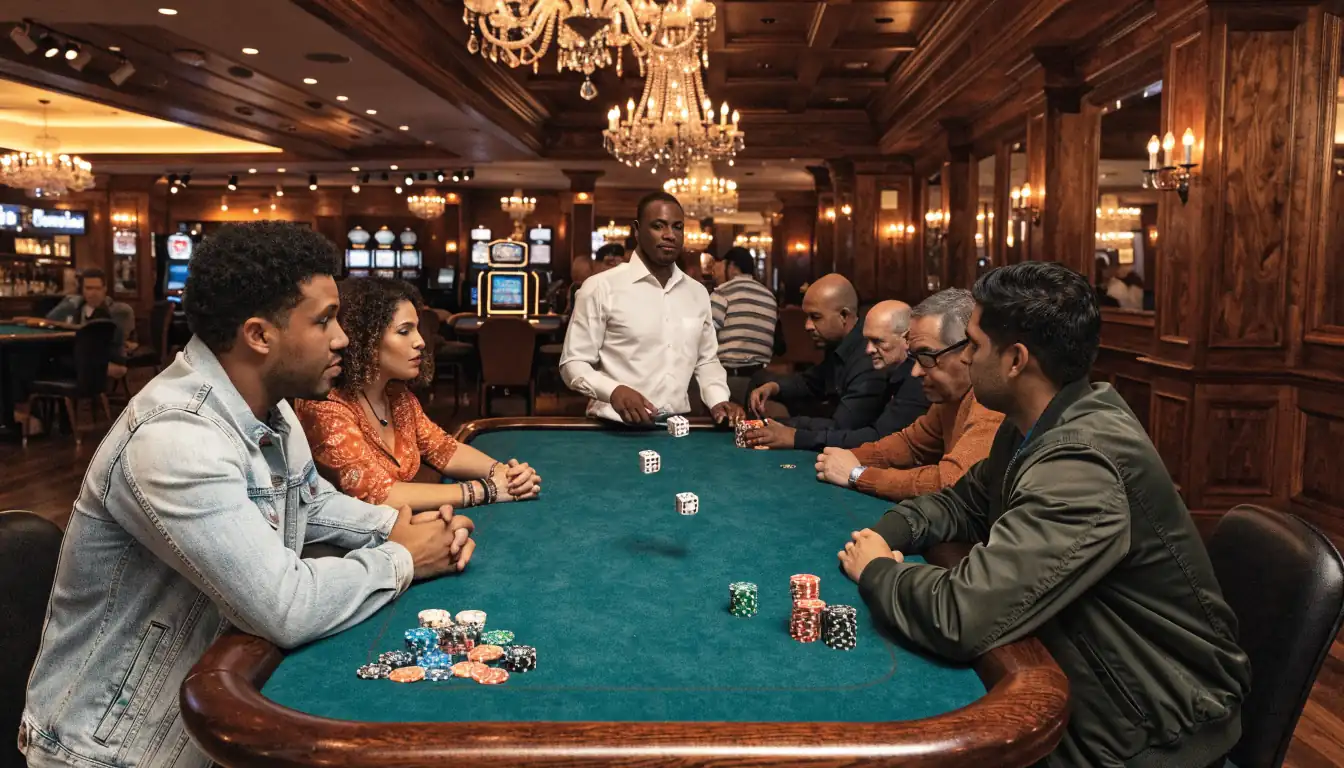
The room stock at an integrated casino resort is structured in tiers, and the differences between them are concrete rather than cosmetic. A standard room buys the bed, the bathroom, and access to the building’s amenities. Higher tiers buy space, views, and access — typically lounge access, breakfast inclusions, and late checkout, where the property offers them. What a tier does not buy is anything on the gaming floor: casino play is governed by its own rules, its own membership systems, and its own legal minimum age of 18, and no room category changes that.
Booking directly with the property versus booking through a third-party platform is a decision with trade-offs, and the trade-offs are the same here as anywhere in hospitality. Direct bookings are the channel where package rates — room plus dining credit, room plus entertainment — are usually assembled, because the property controls them. Third-party platforms compete on headline rate. Neither channel is automatically cheaper; the difference is what is bundled. A headline rate that excludes breakfast and parking can sit below a package that includes both and still cost more by checkout. That arithmetic is the whole decision, and it takes a minute with a calculator.
Deals: what to check before the price looks good
Search interest in casino hotel deals in Western Australia is steady, and the properties respond to it, but "deal" is not a defined term. A reduced rate attached to a non-refundable booking is a transfer of risk from the operator to the guest, priced as a discount. A package rate that bundles dining credit is only worth its face value if the guest was going to spend that amount on-site anyway. A rate tied to specific nights is a revenue-management tool filling predicted vacancy. None of this is hidden — it is all in the rate conditions — but it is only a deal after the conditions are read against the actual plan, not before.
Two specifics deserve attention in Western Australia. First, weekend and event-driven demand in Perth moves rates sharply, because the integrated resorts also serve the conference and concert market; a midweek stay can be a different product at a different price for the same room. Second, since the gaming and hotel operations sit together, some packages are built around entertainment scheduled in the complex’s venues, and those bundles are frequently the strongest value in the property’s own channel — a concert ticket bought with a room can cost less than the same ticket bought alone, because the operator is buying occupancy, not ticket revenue.
Gambling Risk
Playing casino games can lead to significant financial loss and may develop into problem gambling. Always set a strict budget and stop if you feel you are losing control.
Who the on-site hotel suits — and who it does not
For a visitor whose plan centres on the casino complex — gaming in the evening, dinner on the property, no desire to move afterwards — the integrated hotel is the rational booking. The premium over an off-site room is the price of not arranging transport at midnight, and for that itinerary it is usually cheaper than it looks.
For a visitor whose plan includes anything else in Perth or the regions, the calculation reverses. A hotel tied to a casino complex sits where it sits; everything else in the city is a commute from it. In that case the on-site property is paying a location premium for proximity to a venue the guest will use once, and off-site accommodation — covered separately — will do the same job for less.
The honest summary is that Western Australia’s casino hotels are few, large, and designed around a single proposition: keep the guest on the property. Whether that proposition is worth the room rate is not a question about the hotel. It is a question about the itinerary.
Accommodation Options Near Casinos
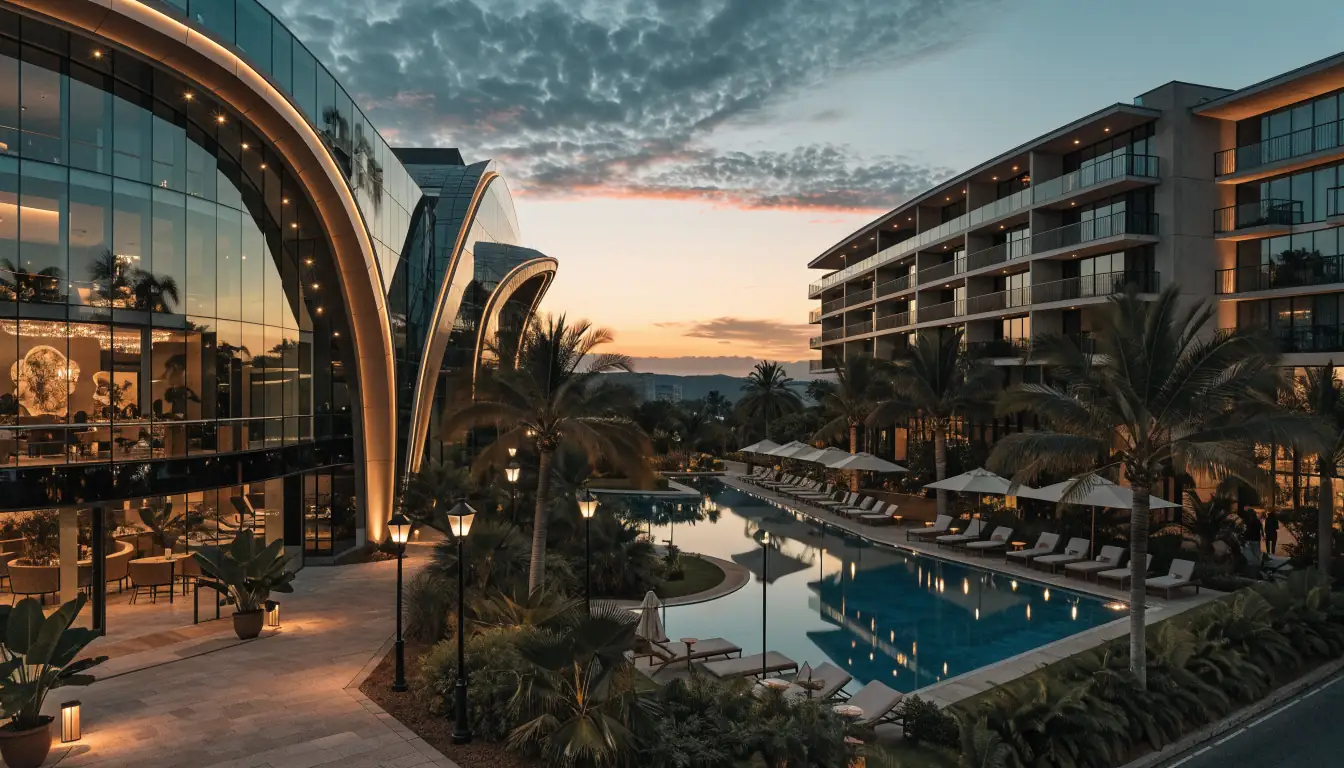
Staying on casino property is one option. It is not the only one, and it is not always the cheapest one. Off-site lodging around Western Australia’s casino precincts falls into a few clear categories, each with its own cost structure and trade-offs.
Hotels Within Walking Distance
The streets surrounding Perth’s casino district carry the bulk of nearby hotel stock. These are standard city hotels: front desk, housekeeping, no gaming floor attached. The advantage is price separation — the room rate is not bundled with resort fees or entertainment levies the way on-property accommodation can be. The disadvantage is distance in the literal sense: a walk back at the end of the night, in whatever weather Perth has decided to serve.
Hotel pricing in this zone moves with the city’s event calendar rather than with the casino’s. Rooms get tighter and dearer when a concert or convention lands nearby, not because the tables are busy. Anyone booking around a major event should treat accommodation as the scarce item, not the gaming.
Serviced Apartments
Serviced apartments are the practical choice for stays longer than a couple of nights. They come with a kitchen or kitchenette, a separate living area, and weekly rather than daily servicing in many buildings. That structure suits visitors who want breakfast at home before heading to the casino precinct and a proper fridge afterwards — an arrangement that also happens to cap spending on food, which is where many casino trips quietly bleed money.
Laundry facilities are standard in most serviced buildings. For travellers flying in from interstate, that is one less suitcase of clothes and one less airline baggage fee.
Motels and Budget Rooms
Further out from the precinct, motel stock follows the main arterial roads. These are functional rooms at the lower end of the rate card, and they trade convenience for price without apology. Public transport connections exist — the surrounding area is served by Transperth buses and trains, and the next section of this guide covers transport links and parking in detail, so they will not be repeated here.
Budget rooms near a casino precinct fill on event nights the same way hotels do. Booking early costs nothing; booking late costs the difference between a motel rate and whatever is left.
What "Near" Actually Buys
The honest calculation for off-site lodging has three line items:
- Room rate — usually lower than on-property, but check whether the quoted rate includes parking.
- Transport — the cost of getting to and from the precinct, in either time or fares, multiplied by the number of trips.
- Flexibility — the ability to leave entirely, which is worth more than it sounds.
That third item deserves plain language. Being able to walk out of a venue and go somewhere the venue does not control is a genuine structural advantage of off-site accommodation. Around 80,000–160,000 Australian adults experience significant gambling problems, and a significant share of sessions that run long happen because leaving required effort. A hotel fifteen minutes away imposes a natural end to the evening that a room upstairs does not.
Deals and Packages
Promotional bundles that pair casino entry perks with off-site rooms are rare — cross-promotion between a casino operator and independent hotels is limited, and where it exists it is worth reading the fine print on what the "deal" actually discounts. Most genuinely cheap accommodation near the precinct comes from ordinary channels: direct booking, member rates, and off-peak timing.
Anyone comparing options should note that gambling winnings are not taxed in Australia, but accommodation is paid from the same wallet either way. The room decision does not change the odds on the floor — only the amount left to bring to it.
A Note on Age and Access
The minimum legal gambling age in Australia is 18, and casino precincts enforce it at entry. Off-site accommodation has no such restriction, which makes nearby hotels a workable base for mixed travel parties where not everyone intends to gamble — another quiet argument for keeping lodging and gaming at arm’s length from each other.
Parking and Accessibility at Western Australia Casinos
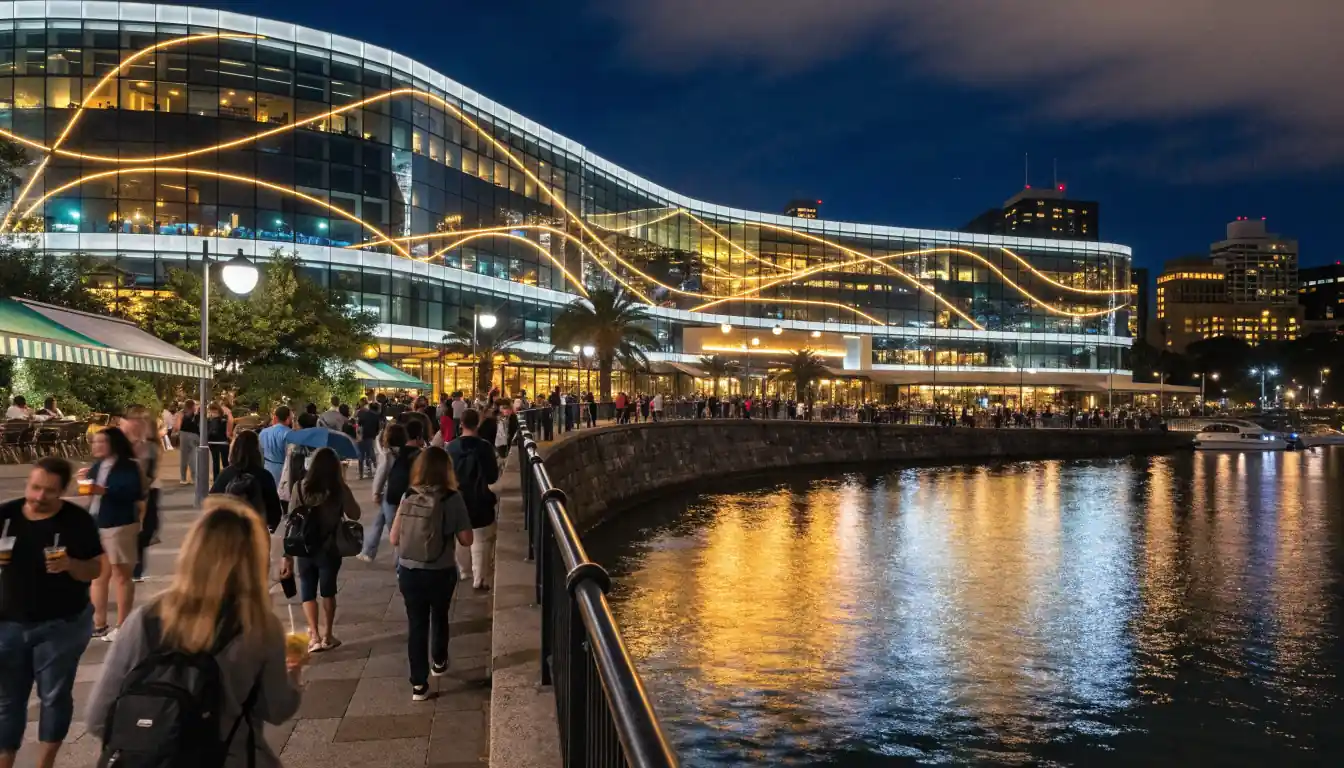
Getting to a casino in Western Australia is a logistics question before it is anything else. Perth’s casino complex sits in East Perth, on the eastern edge of the CBD, and the practical decisions — drive or take public transport, self-park or valet — are worth settling before arrival, not at the gate.
Parking Facilities
Casino venues in Western Australia operate dedicated parking structures attached to the main complex. The Perth venue’s car park connects directly to the gaming floor and hotel towers, so guests move from car to venue without crossing open ground — a relevant detail in a city where summer temperatures make a long outdoor walk an endurance exercise.
Casino parking is typically divided into general public bays, designated areas for hotel guests, and accessible parking close to the main entrances. Accessible bays are positioned to minimise the distance to lifts and level entry points, and the venues are required to meet accessibility standards that cover ramps, door widths, lift access to all public floors, and accessible restrooms throughout the complex.
Valet Parking
Valet service operates at the main entrance of the Perth casino complex, as it does at most large integrated resorts. The mechanics are simple: the car is handed over at the door and retrieved on departure. The trade-off is the standard one — convenience against cost and the wait at peak departure times, when everyone leaving a late event wants their vehicle at once. On busy nights, the queue at the valet stand is the last delay between a patron and home.
Public Transport Links
Public transport is a genuine alternative here, not a token one. The East Perth area is served by Transperth buses, and the free CAT bus routes that circle the Perth CBD stop within walking distance of the casino precinct. The nearby train stations connect the venue to the broader metropolitan rail network, which matters for a few reasons:
- Cost. A train or bus fare is a fixed, known quantity. Parking, particularly for extended visits or overnight stays, is an open-ended line on the budget.
- Judgement. A casino visit that runs late is exactly the scenario where the decision to drive home deserves scrutiny. Public transport removes that decision from the hands of someone who has spent hours at a table.
- Traffic. Event nights at the venue create local congestion, and a train bypasses it entirely.
Transperth services run late on weekends, though schedules tighten outside peak hours. Checking the last service home before arriving is a two-minute task that eliminates the alternative: an unplanned taxi fare or an unplanned decision to drive.
Accessibility Beyond Parking
Accessibility at these venues is broader than parking bays. Both major floors of the Perth complex are reachable by lift, wheelchair access covers the gaming areas, restaurants and entertainment spaces, and staff assist with access requirements on request. Patrons with mobility aids or specific access needs are generally well served by a venue type that was built, in this case, as a single integrated complex rather than a building retrofitted over decades.
A Note on the Online Alternative
Searches for casino options in Western Australia increasingly include online queries, and the legal position deserves a plain statement. The Interactive Gambling Act 2001 is the primary Commonwealth law governing online gambling in Australia, introduced with a focus on harm minimisation. Under it, online casino games are prohibited — though a caveat is worth recording: some sources attribute this prohibition to an Interactive Gambling Act 1997, and the sources disagree on the year. The 2001 Act is the version commonly cited as operative. What is clear either way: no domestic licence exists for real-money online casinos, and the prohibition targets operators, not players — it is not illegal for individuals to play at offshore-licensed sites, but no locally licensed option exists to park a car at, valet or otherwise.
The physical venue, in that light, has one advantage no offshore site can claim: it is licensed, regulated onshore, and reachable by a scheduled bus.
Contact Points: Bars, Billiards, and Event Spaces
A casino complex in Western Australia is not a single gaming floor with a bar bolted on. The larger venues operate as a set of distinct spaces — bars, billiard rooms, theatres and function halls — each with its own entry conditions, its own hours and, importantly, its own booking contact. Knowing which number reaches which venue saves the alternative: a switchboard transfer chain that ends somewhere near a generic inbox.

Bars as separate venues
Bars inside casino complexes are licensed premises in their own right, not extensions of the gaming floor. Several operate with their own entrances, meaning a visitor can drink at the bar without passing through the gaming area at all. This matters for planning: a group that wants a pre-show drink does not need to arrange gaming-floor access, and a person avoiding the pokies altogether does not need to enter the building through them.
Practical point: bar bookings for larger groups are typically handled by the bar’s events line rather than the general casino contact number. The general number routes enquiries; it does not reserve tables. Venue-specific contacts are published on the complex’s website, and a site map — usually downloadable — shows which bars sit inside the gaming perimeter and which sit outside it.
Billiard rooms and social spaces
Billiards and pool tables occupy a peculiar position: they are social venues, not gaming products, so they sit outside the regulated gambling floor. Access rules follow the venue’s liquor licensing rather than its casino licence. What this means in practice is that billiard areas often keep different hours from the gaming floor — they open and close with the bar or entertainment precinct they belong to, not with the tables.
Booking a billiard table is handled at the venue level. Where a function room adjoins the billiard area, the events team for that room is the correct contact — the main reception line will redirect, at the cost of time.
Concert halls and event spaces
The theatre and concert venues attached to Western Australian casino complexes run their own ticketing and their own event calendars. This is the single most useful thing to know before calling: concert enquiries belong to the ticketing agency or the venue’s box office, not the casino. A request for ticket information sent to the casino’s main contact number is the most common misdirected enquiry these venues receive.
Event spaces — ballrooms, function halls, conference rooms — are booked through a dedicated events team. Enquiries fall into three categories, each with its own channel:
- Public concerts and shows — box office or authorised ticketing partner
- Private function bookings — events and functions team
- Corporate and conference hire — same events team, separate enquiry form
A complex map helps here more than anywhere else. Theatres and function rooms frequently have entrances that do not pass through the casino at all, which changes arrival planning — drop-off points, pick-up arrangements and meeting spots should be set against the venue map, not assumed from the main entrance.
Finding the right contact
Each complex publishes a directory of venue contacts, and the division of labour is consistent: gaming floor, bars, billiards and event spaces each have a separate point of contact. The main switchboard exists for exactly one purpose — telling callers which of the others to ring.
Casino Payment Info maintains venue contact details alongside its casino listings. Rankings on the site are recalculated every week using a weighted formula, and venue information is checked at the same interval, so a number listed in a profile reflects what the venue published most recently. Where a venue does not publish a direct line, the profile says so — a missing direct number is a fact, not a gap to be filled with a guess.
One closing note for anyone weighing a night out against the tax office: gambling winnings are not taxed in Australia, so a lucky run on the way to the concert hall is yours in full.
Dining Buffets, Breakfasts, and Employment Opportunities
Buffet dining and breakfast service are the two food formats that most directly tie into a resort stay: the first covers volume and variety for groups, the second determines whether an overnight guest starts the day on-site or walks out looking for a café. Casino resorts in Western Australia treat both as part of the accommodation product rather than as standalone dining — which is why they sit closer to the front desk than to the fine-dining end of the complex.

Buffets at casino resorts
The buffet is the standard format for feeding large numbers of guests at a casino resort: hotel guests, tour groups, and pre-show diners all land in the same queue. What varies is scope — seafood-heavy spreads on weekend evenings, carvery-focused service on weeknights, and a scaled-down midweek range. Some buffets run only on Friday and Saturday nights; others operate daily with the weekend sessions priced as a premium tier.
Casino loyalty programs in Western Australia feed directly into this. Membership tiers typically carry dining discounts that apply at the buffet, and points earned on the gaming floor can be redeemed against food and beverage. For a regular visitor, the buffet is often where a rewards membership pays for itself first — the discount is immediate, visible on the docket, and requires no wagering to unlock.
Breakfast
Where a buffet breakfast exists, it is usually bundled into the room rate for hotel guests and sold as a standalone entry for walk-ins. The practical distinction worth checking at booking time is whether the rate includes breakfast or prices it separately — the same room can carry both options. Off-peak periods are also when breakfast service narrows: a buffet on a public-holiday weekend may run as an à la carte menu midweek.
Employment
Casino resorts are among the larger hospitality employers in the state, and the recruitment structure is fairly predictable. The stable roles sit in food and beverage — buffet attendants, wait staff, kitchen hands — alongside gaming-floor positions such as dealers and machine attendants, surveillance and security staff, and the corporate functions of a large venue: finance, marketing, HR.
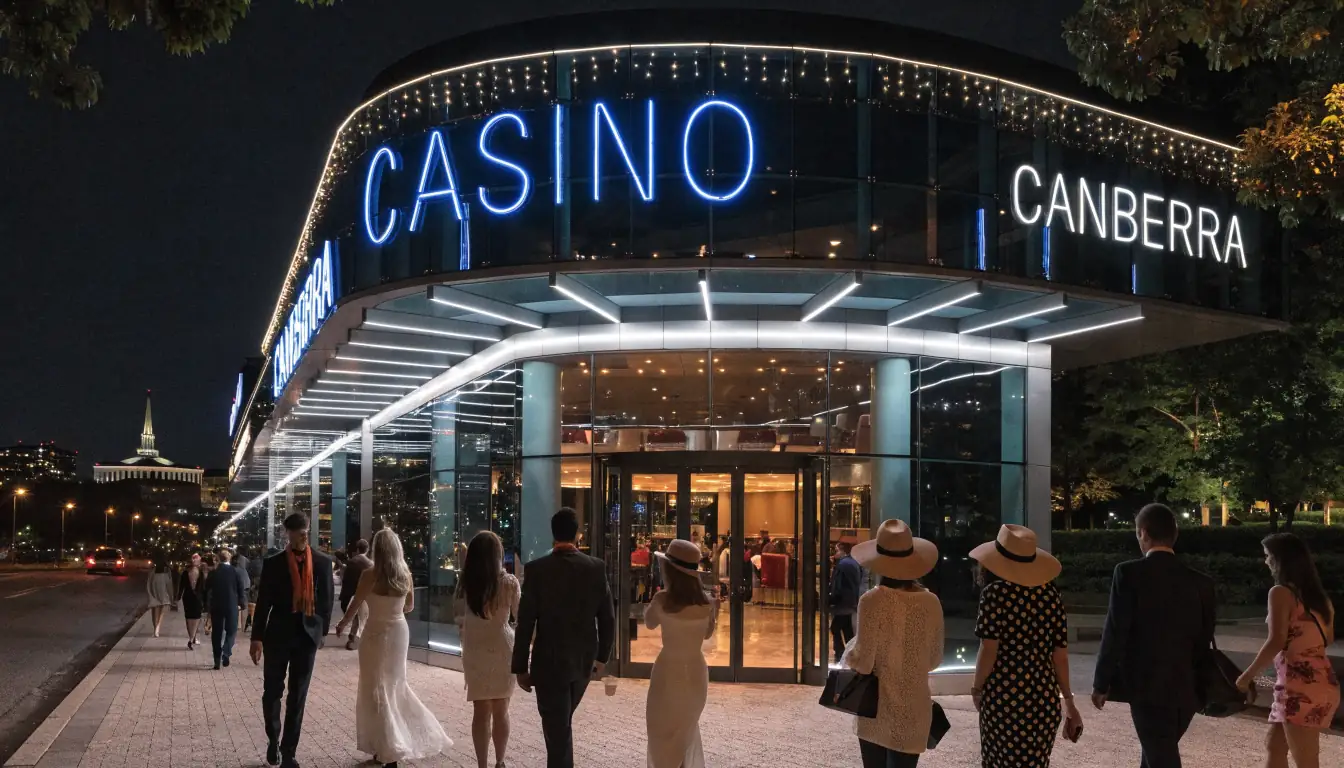
Two conditions apply across the board. Every gaming-related position requires licensing and background checks, which lengthens the hiring process compared with ordinary hospitality work. And the minimum age of 18 applies to gambling in Australia, so floor roles are closed to younger applicants; kitchen and back-of-house roles are the usual entry point for those starting out. Casino careers pages list current vacancies directly, and larger venues run intake programs for croupier training, where the venue teaches the games rather than expecting prior experience.
On the rankings side
Dining perks and employment conditions don’t factor into how venues are ranked here. The formula at Casino Payment Info weights bonus generosity at 30%, payout reliability at 25%, game library breadth at 20%, customer support responsiveness at 15%, and user-submitted feedback at 10% — and every listing is scored on bonus transparency, cashout speed, customer care, and licensing integrity. A good buffet improves a stay; it does not move a score. Rankings are recalculated weekly, so the numbers reflect current performance rather than reputation earned over years of good breakfast service.
Poker Rooms and Gaming Facilities
Poker occupies a specific position in Western Australia’s casino landscape: it is the one table product where the player is competing against other players rather than the house, and that difference shapes everything about how a poker room is run — the seating, the pace, the tournament structure and the social character of the room itself. Unlike the pokies floors, which dominate by machine count, the poker room is a scheduled, event-driven space.
The Poker Room Setting
Western Australia’s land-based gaming is concentrated in Perth, and the casino complex there maintains a dedicated poker area separate from the main gaming floor. Cash games and tournaments run as distinct formats:
- Cash games — seats filled continuously, chips carrying direct monetary value, players entering and leaving between hands.
- Tournaments — a fixed entry, a starting stack, blind levels rising on a published schedule, and play continuing until one player holds every chip.
Tournament schedules are published in advance by the venue, and anyone planning a visit around a specific event should check the current calendar directly with the casino. Schedules, buy-in levels and formats change; what holds at the time of writing may not hold next quarter, and no third-party summary — including this one — substitutes for the venue’s own listing.
Tournaments: What to Check Before Playing
A tournament entry is a purchase with defined terms. Before registering, four items determine the value of the entry:
- Buy-in structure — how much of the entry goes into the prize pool and how much is retained by the venue as an administration fee. The split is required to be disclosed at registration.
- Blind schedule — the rate at which levels increase, which determines whether the format rewards patient play or forces early confrontation.
- Prize pool distribution — how many finishing positions are paid, and how the money is divided across them.
- Registration cut-off — whether late entry is permitted, and until what point in the tournament.
These are posted by the venue for every event. A player who reads them before sitting down has done more due diligence than most of the field.
The Broader Gaming Floor
Beyond poker, the gaming facilities divide into table games and electronic gaming. The pokies floor is the largest component by area and by machine count — the term itself is the local one, and it is what the signage, the staff and the players all say. Table games operate in roped-off pits with posted minimum wagers, which vary by table and by time of day; the minimums are displayed at each table, not buried in fine print.
Participation in Australia is broad rather than niche: 72.8% of Australian adults gambled in the previous 12 months as of 2022, and 38% gambled at least once per week. A casino floor on a weekend evening reflects those numbers without needing to cite them.
The Sports Bar and Viewing Areas
The sports bar is a functioning part of the gaming complex rather than an afterthought. Large-format screens carry racing and sport, tote and wagering terminals sit within the bar area or adjacent to it, and the venue operates it as a stand-alone draw — patrons who never touch a card table still fill it on race days. Sports betting itself is licensed in Australia under state and territory licences, which distinguishes it from online casino play: under the Interactive Gambling Act 2001, online casino-style games — including online poker, slots, blackjack and roulette — cannot lawfully be offered to Australian residents. There is no domestic licence an operator can hold to change that. The sports bar’s wagering facilities, by contrast, sit within the licensed betting framework. Note that sources disagree on the date of the Commonwealth statute — some cite an Interactive Gambling Act 1997, others the 2001 Act — but both versions point to the same prohibition on providing online casino games to Australian residents.
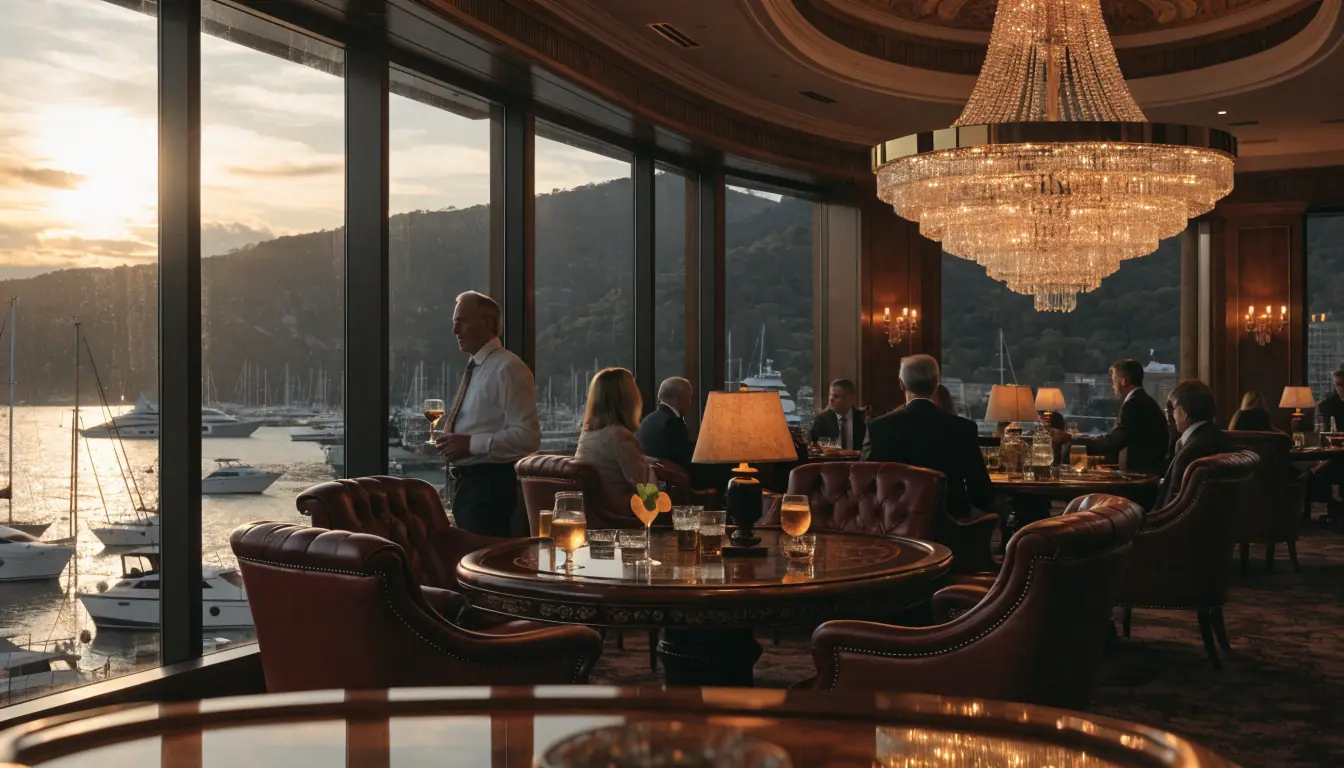
Access and Age
The minimum age to access casino offers, including poker room entry, is 18 years. Identification is carried and checked; a government-issued ID is the standard, and the same verification discipline applies to any wagering account opened in connection with licensed betting. There is no junior tier, no exception for accompanied entry, and no discretion at the door.
One Structural Point Worth Keeping
A poker room is the only part of a casino where the house’s take is a fixed fee rather than a mathematical edge on every hand. The rake and the tournament admin charge are known in advance. Everything after that is the players’ money moving between players — which is, depending on the player, either the appeal or the warning.
For anyone whose play has stopped being a decision, GamblingHelpOnline.org.au and the telephone line 1800 858 858 provide free, confidential support, and BetStop offers a national self-exclusion register covering licensed wagering operators.
Casino Operations: Opening Hours, Licensing and Regulations
How casino regulation actually works in Australia
There is no single overarching statute or single overarching gambling authority regulating gambling in Australia. Regulation occurs at two levels: state and territory governments licence and supervise land-based casinos, while the Commonwealth handles online gambling through the Interactive Gambling Act 2001 (IGA).
For Western Australia, that division matters. The physical casino floor in Perth — its poker tables, gaming machines and opening hours — falls under state-level oversight. Anything delivered over the internet sits with the federal regulator.
The Australian Communications and Media Authority (ACMA) is the federal regulator that enforces the Interactive Gambling Act 2001. The IGA was introduced to protect the public with a focus on harm minimisation, and it draws a hard line between product types: online sports betting is legal in Australia under state and territory licences, but online casino games, poker and in-play betting are prohibited federally under the IGA.
One point of confusion is worth naming directly. Some sources reference an Interactive Gambling Act 1997 as the law prohibiting provision of online casino games to Australian residents; the operative Commonwealth law is the Interactive Gambling Act 2001. The sources disagree on the earlier date, so the discrepancy is stated here rather than silently resolved.
For players, the practical consequence is straightforward: it is not illegal for individual Australians to play at offshore-licensed online casinos, because the law targets operators, not players. It is illegal to offer online casino gambling in Australia, and it is not possible to obtain a licence to operate an online casino domestically. There are no domestically licensed real-money online casino operators available to Australian players — which is why advice like "check the operator’s local licence" is meaningless for casino games: there is no local licence to check, and no public register of licensees for this product class.
On the bookmaking side, the picture differs. The Northern Territory Racing Commission (NTRC) is Australia’s de facto online gambling regulator, since it licenses most national online bookmakers who benefit from lower tax. That regime is legal, licensed and visible. Online casino play is not.
Opening hours and operational questions
Search interest around whether a Western Australian casino is open, reopening or has reopened reflects a simple reality: operating hours, closures and reopening dates are set by the state regulator and the operator, and they change. Neither publishes a fixed timetable that can be quoted here as permanent. Anyone planning a visit should check the operator’s current published hours rather than rely on a number carried over from an older review.
The same applies to event calendars, entertainment line-ups and menu changes. A casino review written even a year ago can be stale on all three counts. What does not change is the licensing structure underneath: whoever operates the venue does so under state authority, subject to conditions covering gaming, liquor and venue conduct.
What the numbers say about the market
The scale of the market explains the regulatory attention:
- Australians placed bets totalling $244.3 billion in 2022–23, with losses of $31.5 billion.
- 72.8% of Australian adults gambled in the previous 12 months (2022), and 38% gambled at least weekly.
- Gambling revenue accounted for 7.7% of state and territory taxation revenue in 2015–16.
- Around 80,000–160,000 Australian adults experience significant gambling problems.
Gambling winnings are not taxed in Australia — a structural fact that shapes both player behaviour and government reliance on gambling taxation. The minimum legal gambling age is 18, enforced at the venue door and in every licensed offer.
For Western Australian casino visitors, the framework to remember is short: the venue you walk into is licensed and regulated at state level; the online casino games advertised to Australians from offshore are not licensed here at all and cannot be. Support is available through GamblingHelpOnline.org.au or 1800 858 858.
Restaurant Choices Within Casino Complexes
A casino resort in Western Australia is structured so that dining operates on several separate tiers: the food court for quick service, the buffet for volume, and the sit-down restaurants for evenings that are planned rather than improvised. This section deals only with the last of those — the venues where a table is booked, a menu is read, and the bill reflects what was ordered rather than a flat per-head rate.
What separates a sit-down restaurant from the buffet
The distinction is practical, not cosmetic. A restaurant inside a casino complex typically runs its own kitchen, its own menu and its own booking system, and it stays open independently of the gaming floor’s rhythm. The buffet, covered elsewhere in this article, is priced per person and built around turnover. A restaurant is priced per dish, which changes how the evening works: courses arrive in sequence, wine is matched to food rather than to the nearest machine, and the table stays yours for the length of the meal.
The range on offer
Western Australia’s casino dining scene spans several formats, and a single complex can hold more than one of them at the same time:
- Fine dining rooms — degustation-style menus, chef’s tables, sommelier service. Positioned as destination dining in their own right; some patrons arrive for the restaurant and never reach the gaming floor.
- Modern Australian à la carte — the workhorse tier. Seafood features heavily in Perth, as it does across the state’s hospitality sector generally.
- Asian kitchens — Cantonese, Japanese and pan-Asian formats are standard fixtures in Australian casino complexes, and Western Australia is no exception.
- Casual sit-down bistros — a step up from the food court in price and service, a step down from fine dining in formality. The default choice for pre-show dinner.
Rooftop and elevated dining
Elevated venues — rooftop restaurants and bars with floor-to-ceiling views — are a fixture of large casino complexes nationally, and searches for a "rooftop bar" in connection with Western Australia’s casino reflect that expectation. Where such a venue exists within a complex, it usually doubles as both a bar and a dining destination; the licensing framework that covers these venues is outlined in the section on casino operations elsewhere in this article.
Booking and dress standards
Two operating realities are worth stating plainly. First, the premium restaurants inside a casino complex follow the same booking logic as any standalone city restaurant: peak sessions fill, and walk-ins are not guaranteed a table. Second, dress standards at fine-dining venues inside casinos are typically stricter than those applied to the gaming floor itself — a jacket-and-shoes policy at the restaurant door can coexist with a far more relaxed policy a corridor away. Specific opening hours, menus and dress codes are set by each venue and change; the operators publish current details directly, and this article does not reproduce figures it cannot verify.
One further note for completeness: a night built around a restaurant rather than a gaming session is a cheaper night by construction. The meal has a known price. The floor next to it does not.
Wellness and Spa Services at Casino Resorts
A casino resort in Western Australia is not only a gaming floor with restaurants attached. The larger complexes are built as full leisure destinations, and the spa and wellness offer is one of the reasons a guest books a room there rather than visiting for the evening and leaving. The logic is straightforward: a guest who stays overnight uses the spa, and a guest who uses the spa stays overnight.
What the spa offer covers
The typical wellness floor at a casino resort includes treatment rooms for massage and facials, a beauty salon for hair and nails, and communal facilities — sauna, steam room, sometimes a relaxation lounge. Resort guests usually get access to the communal areas as part of the stay, while treatments are booked and paid separately. Booking ahead is the practical rule: appointment slots fill on weekends and public holidays, when room occupancy is highest.
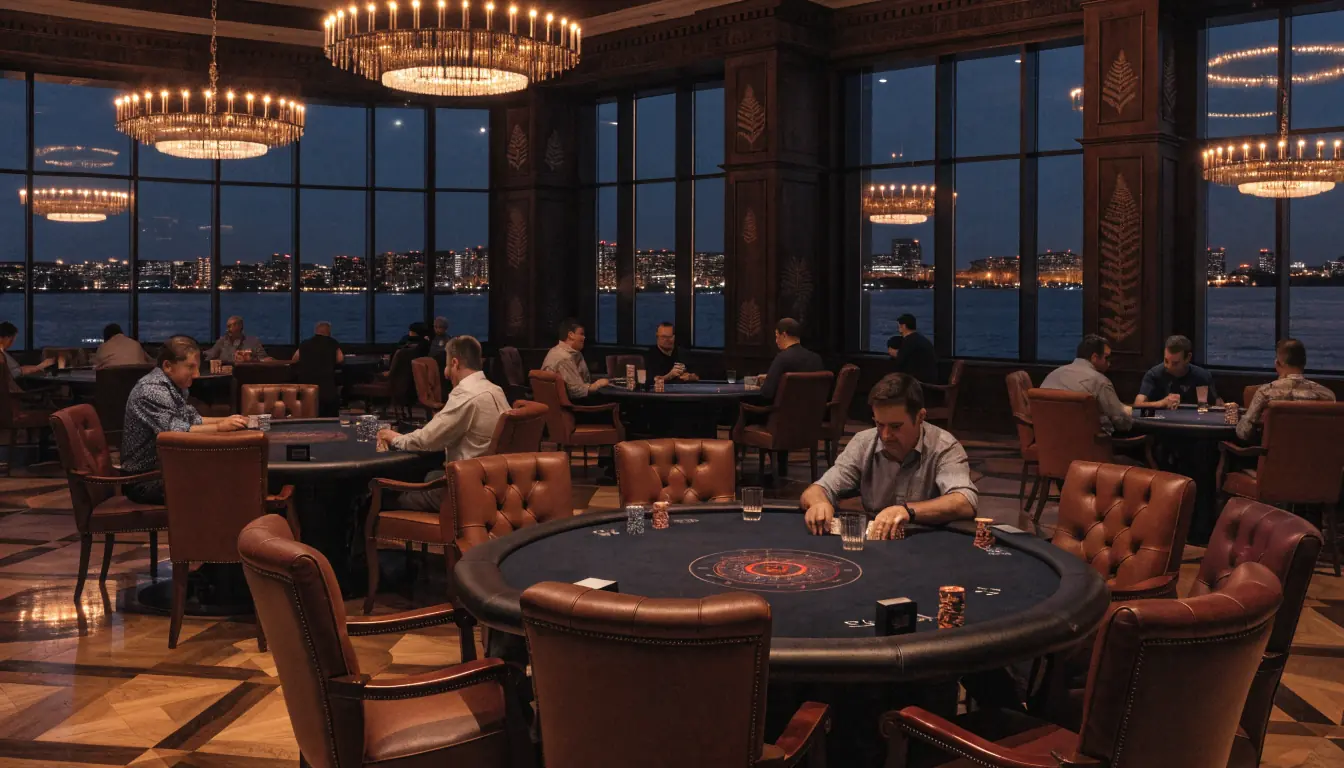
The dress code question comes up regularly. Inside the spa, resort wear applies — swimwear in wet areas, robes and slippers provided for treatment guests. The casino floor itself enforces a smarter standard, particularly in the evening, so a day built around the spa and the tables involves a wardrobe change in between. It is worth checking the published dress standards before arrival rather than guessing.
Planning the visit
Anyone looking up the address of a casino in Western Australia will find the complexes sit within the Perth metropolitan area, close to transport and hotel districts rather than in remote locations. That matters for spa planning: day guests can book treatments without staying on the property, and the reception desk handles both hotel guests and external bookings. Career-seekers should note that spa and wellness operations are among the departments casinos recruit for continuously, alongside gaming and hospitality roles — treatment therapists, salon staff and front-of-house positions are posted through the same careers channels as the rest of the resort.
A note on the online alternative
There is no online substitute for this part of the offer. There are no domestically licensed real-money online casino operators available to Australian players, and it is illegal to offer online casino gambling in Australia — a licence to operate one domestically cannot be obtained at all. The spa, the pool, the restaurants and the physical gaming floor exist precisely because the full resort experience is delivered in person, on one site. Wellness facilities are, in that sense, the most tangible part of what a land-based casino resort sells: no offshore website can replicate a steam room.
Worth checking before booking
- Whether treatment bookings are open to non-guests or reserved for hotel residents
- Which communal facilities are included with a room and which carry a separate charge
- The resort’s published dress standards for the spa and the gaming floor
Operators publish these conditions on their official sites; anything not listed there should be confirmed with the resort directly before it factors into a booking decision.
Food Courts and Swimming Pools: Amenities Overview
Casino complexes in Western Australia carry two categories of leisure infrastructure that sit below the headline attractions in the marketing but carry most of the day-to-day weight for guests: casual eating and the pool.
A food court inside a casino resort is not the same product as the sit-down restaurants in the same building, and it is not a buffet either. It exists for the interval between sessions: quick service, counter ordering, no reservation, no bill at the end. Where a restaurant is a destination and a buffet is a fixed-price event, the food court is logistics — the option that does not interrupt the day. Operators generally publish little structured detail about individual tenants, hours or pricing, so anyone planning around a specific outlet should confirm directly with the complex rather than rely on third-party listings.
Pools function on similar logic. They are an amenity of the hotel side of the complex, not the gaming floor: daylight hours, guests rather than walk-in visitors, no tables nearby. In practice the pool determines whether a casino property works as a stay rather than a visit — it is what fills the hours when the restaurants, the spa and the tables do not.
Neither category affects the gaming product itself. The ranking methodology used on Casino Payment Info scores casinos on bonus transparency, cashout speed, customer care and licensing integrity — amenities are context, not criteria, and they are weighted accordingly: not at all.
Are crypto casinos legal in Australia in 2026?
No, it is not possible to obtain a domestic licence to operate an online casino in Australia, and the Interactive Gambling Act 2001 prohibits offering online casino games to residents. However, it is not illegal for individual players to use offshore-licensed casinos, as the law targets operators, not individuals.
What are the requirements for an interactive gambling licence?
It is impossible to get a domestic licence for online casino operations, but online sports betting is legal under state and territory licences. The Northern Territory Racing Commission acts as the de-facto regulator for national online bookmakers, who are attracted by lower tax rates.
What payment methods are available for Australian players at online casinos?
Domestically licensed real-money online casinos do not exist in Australia, so payment options depend entirely on the offshore operator a player chooses. Since the law targets operators rather than players, individuals can deposit and withdraw using whatever methods their selected offshore platform supports.
How can I verify if a gambling operator is legal?
You need to check whether the operator holds a state or territory licence, since Australia has no single overarching gambling authority. Online sports betting operators are typically licensed by the Northern Territory Racing Commission, while online casino operators cannot obtain any domestic licence.